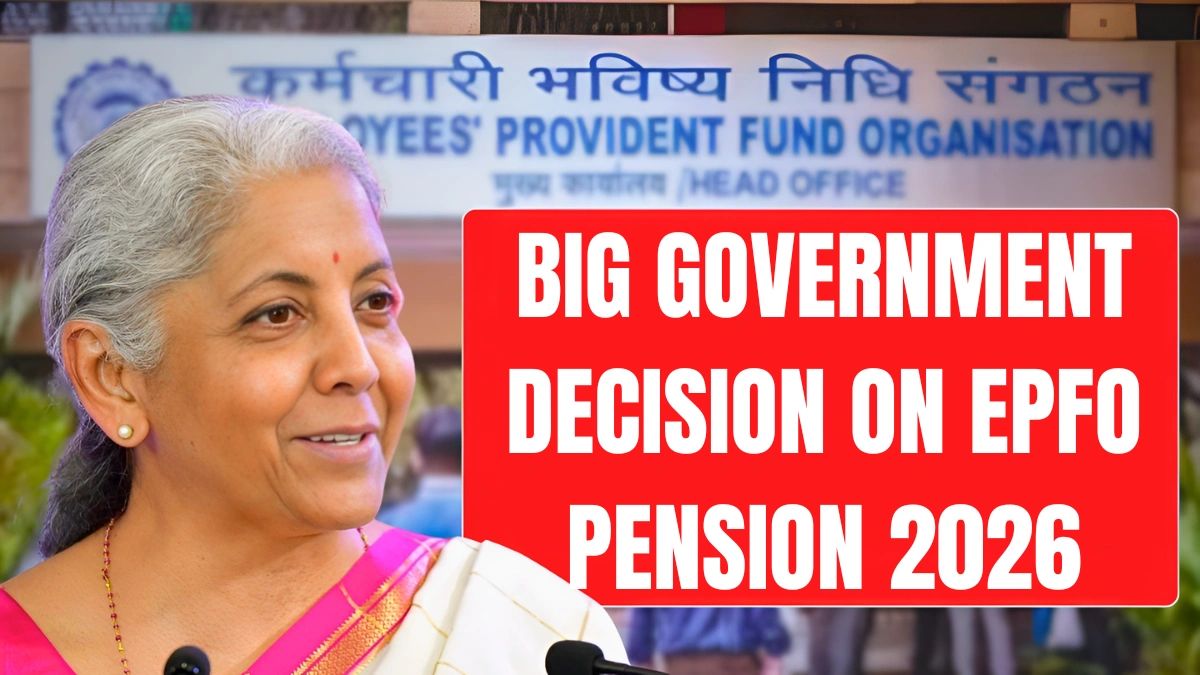
EPFO Pension Boost – The Indian government’s decision to revise the EPFO pension structure in 2026 has created a wave of discussion and hope among retired employees and those nearing retirement. For years, pensioners have raised concerns that monthly payouts were simply not enough to keep up with rising living costs. With inflation affecting essentials like food, housing, and healthcare, many retirees found it difficult to maintain a stable and dignified lifestyle. The new decision aims to change that narrative by ensuring higher monthly pensions and a stronger sense of financial security for millions of former workers.
Higher Pension Brings Fresh Optimism
The announcement of increased EPFO pensions has brought renewed optimism among retired employees across the country. For many pensioners, the earlier amounts barely covered basic expenses, forcing them to dip into savings or rely on family support. The revised pension structure is expected to offer more breathing room in monthly budgets. Beyond the financial aspect, the move carries emotional value as well. Retirees feel that their years of contribution and hard work are finally being acknowledged in a meaningful way.
A Stronger Safety Net for Senior Citizens
This pension revision strengthens India’s social security framework at a time when it is needed the most. As people live longer, retirement spans several decades for many individuals. A reliable pension system acts as a safety net, protecting seniors from sudden financial shocks. By improving pension payouts, the government is signaling its commitment to ensuring that retired citizens are not left vulnerable during their later years. This step brings India closer to global standards where pension systems are regularly updated to reflect economic realities.

Relief from Rising Inflation Pressures
Inflation has been one of the toughest challenges for retirees. Prices of groceries, utilities, and medical care often rise faster than pension adjustments, reducing purchasing power over time. The 2026 EPFO pension decision directly addresses this concern by increasing monthly payouts in line with current cost-of-living pressures. With better alignment to inflation, retirees can manage their daily expenses without constantly worrying about cutting corners or sacrificing essential needs.
Improved Access to Healthcare
Healthcare expenses are a major concern during retirement, especially as medical needs increase with age. Many pensioners have previously delayed treatments or avoided regular checkups due to financial limitations. Higher monthly pensions can significantly improve access to quality healthcare, allowing retirees to afford medicines, diagnostic tests, and preventive care. This improvement goes beyond physical health, offering mental peace and reducing the stress that often comes with medical uncertainty in old age.
A Positive Signal for Today’s Workforce
The pension hike is not just good news for current retirees; it also sends a reassuring message to today’s workforce. Employees contributing to EPFO now can feel more confident about their future, knowing that the system is being strengthened over time. This sense of security encourages long-term participation and trust in formal retirement schemes. When workers believe their retirement years will be financially stable, they are more likely to stay engaged with structured savings and social security programs.
Economic Ripple Effects Across Communities
Higher pension payouts can have a positive ripple effect on the broader economy. Retirees with increased monthly income are more likely to spend on local goods and services, including healthcare, groceries, and household needs. This additional spending supports small businesses and local markets, especially in semi-urban and rural areas. A financially stable retired population continues to contribute to economic activity rather than withdrawing completely from the marketplace.
Recognition of a Lifetime of Contribution
For many retirees, the pension hike carries symbolic importance. Retirement can sometimes feel like being forgotten after decades of service, but this decision helps counter that feeling. By increasing pensions, the government is recognizing the role employees played in building industries, institutions, and the economy. It reinforces the idea that retirement should be a phase of respect and dignity, not financial struggle or uncertainty.
Laying the Groundwork for Future Pension Reforms
Experts believe the 2026 EPFO decision could mark the beginning of broader pension reforms in India. As economic conditions evolve and life expectancy rises, pension systems need continuous review. Future reforms may include better integration with healthcare benefits, more flexible payout options, and simplified administrative processes. This current step sets the tone for a more responsive and forward-looking retirement framework that adapts to changing demographic needs.
Digital Convenience for Pensioners
Another important aspect of the 2026 pension revision is the expected focus on digital accessibility. Simplified online platforms could allow pensioners to check payment details, update information, and resolve issues without unnecessary paperwork. This digital shift promotes transparency and reduces delays caused by traditional bureaucracy. For retirees living in remote areas, easier digital access can make a real difference in staying informed and connected with pension services.
Reducing Financial Pressure on Families
Higher pensions also ease financial pressure within families. Many retirees rely partially on their children for support, which can strain household budgets and relationships. With improved monthly pensions, retirees gain greater financial independence, reducing their dependence on family members. This change helps strengthen family bonds by removing financial stress and allowing retirees to contribute positively to household stability.
Special Impact on Rural Retirees
The pension increase is especially meaningful for retirees in rural areas, where alternative income opportunities are often limited. For many rural pensioners, EPFO payments are the primary source of monthly income. Higher pensions can help them manage healthcare costs, household expenses, and agricultural needs more comfortably. This ensures that the benefits of economic progress are not limited to cities but reach retirees in every part of the country.
Building Trust in Public Policy
This decision also plays a role in strengthening trust between citizens and the government. Retirees often feel overlooked in policy discussions, but the 2026 pension revision shows that their concerns are being taken seriously. By addressing long-standing issues, the government demonstrates a willingness to act in the interest of senior citizens. Such trust is essential for social stability and long-term engagement with public programs.
Preparing for an Aging Population
India is gradually moving toward an older population profile, with a growing number of citizens entering retirement each year. Strengthening the pension system now is a proactive way to prepare for this demographic shift. By improving financial support for retirees today, the government is laying the foundation for a future where an aging population can live with security, independence, and dignity.
Conclusion
The government’s decision on EPFO pensions in 2026 stands out as a landmark step in India’s social security journey. By increasing monthly pensions, it addresses inflation, improves healthcare access, and reassures both current retirees and the working population. More than just a financial adjustment, this move reflects respect for lifelong service and a commitment to a more inclusive economy. It signals a future where retirement is defined by stability and dignity rather than financial anxiety.
Disclaimer
This article is intended for general informational purposes only and does not constitute financial, legal, or retirement planning advice. Pension rules, eligibility criteria, and benefit amounts under the EPFO scheme are subject to change based on official government notifications and policy updates. Readers are advised to consult official EPFO announcements, government circulars, or qualified financial professionals before making retirement-related decisions. The author is not responsible for any actions taken based on this information.